Pre-Workout vs. Coffee: Which Is Better Before the Gym?
A detailed comparison of pre-workout supplements versus coffee for gym performance. Learn when each option makes sense, the pros and cons, and how to decide what's right for you.
The Age-Old Gym Debate
You've seen it at every gym: half the people sipping neon-colored pre-workout shakes, the other half clutching their coffee cups. Both camps swear by their choice. But which actually performs better for your workout?
The answer, like most things in fitness, is "it depends." Let's break down exactly what each option brings to the table.
What Coffee Gives You
Coffee is simple: caffeine + antioxidants. A typical 8oz cup contains 80-100mg of caffeine, while a large Americano might hit 200-300mg.
Pros of coffee before training:
- Cheap (pennies per serving)
- Natural, minimal ingredients
- Well-researched ergogenic aid
- Flexible dosing (just adjust cup size)
- No artificial sweeteners or additives
- Social/ritual aspect many enjoy
Cons of coffee before training:
- Only provides caffeine — no performance ingredients
- No citrulline (pumps), beta-alanine (endurance), or creatine (strength)
- Can cause GI distress during training, especially black coffee
- Inconsistent caffeine content between brews
- No electrolytes (actually mildly diuretic)
What Pre-Workout Gives You
A quality pre-workout is a multi-ingredient formula designed specifically for exercise performance.
Pros of pre-workout:
- Multiple performance pathways (energy, pumps, endurance, strength, focus)
- Precise, consistent caffeine dosing
- Clinical doses of ingredients like citrulline, beta-alanine, and creatine
- Often includes electrolytes and hydration support
- Specifically formulated for training
Cons of pre-workout:
- More expensive ($1-3 per serving)
- Often contains artificial sweeteners and flavors
- Risk of proprietary blends with underdosed ingredients
- Can build tolerance to the stimulant effects
- More ingredients means more potential for side effects
Head-to-Head: Performance Comparison
Energy
Winner: Tie — Both deliver caffeine effectively. Pre-workouts often add secondary stimulants (theobromine, di-caffeine malate) for a smoother, longer-lasting effect, but coffee's caffeine does the job.
Pumps & Blood Flow
Winner: Pre-workout — Coffee provides zero pump ingredients. A pre-workout with 6-8g citrulline malate will deliver noticeably better pumps and blood flow.
Endurance
Winner: Pre-workout — Beta-alanine (built up over time) and citrulline both improve endurance beyond what caffeine alone provides.
Strength
Winner: Pre-workout — Products with creatine and betaine support ATP production and power output. Coffee doesn't touch this pathway.
Focus
Winner: Pre-workout (slightly) — Both provide caffeine-based alertness. Pre-workouts with Alpha-GPC, L-tyrosine, or Huperzine A add genuine nootropic benefits for mind-muscle connection.
Cost
Winner: Coffee — A cup of home-brewed coffee costs $0.10-0.25. Even budget pre-workouts run $1+ per serving.
Simplicity
Winner: Coffee — One ingredient, no label-reading required, no risk of proprietary blends.
Top Picks From This Article
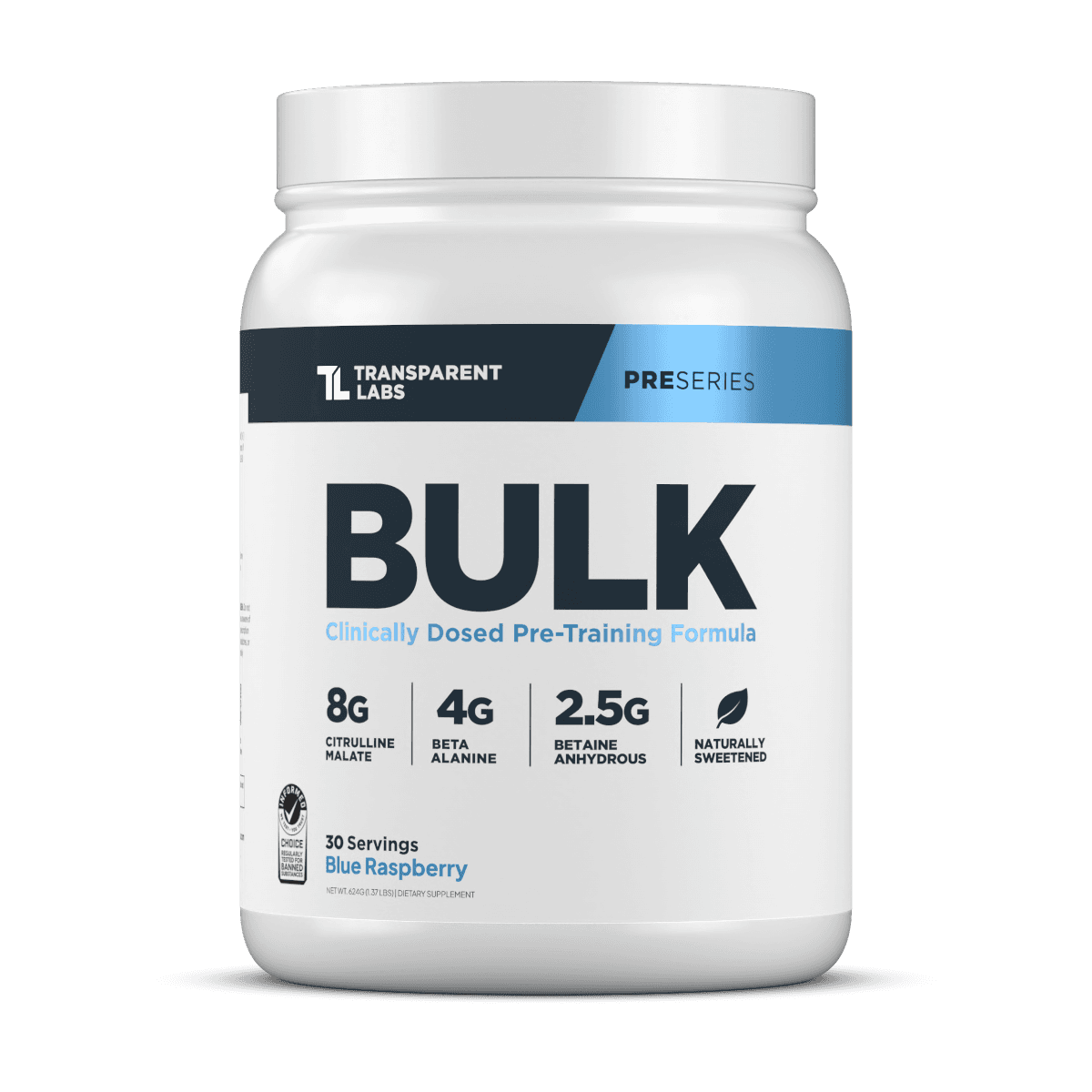
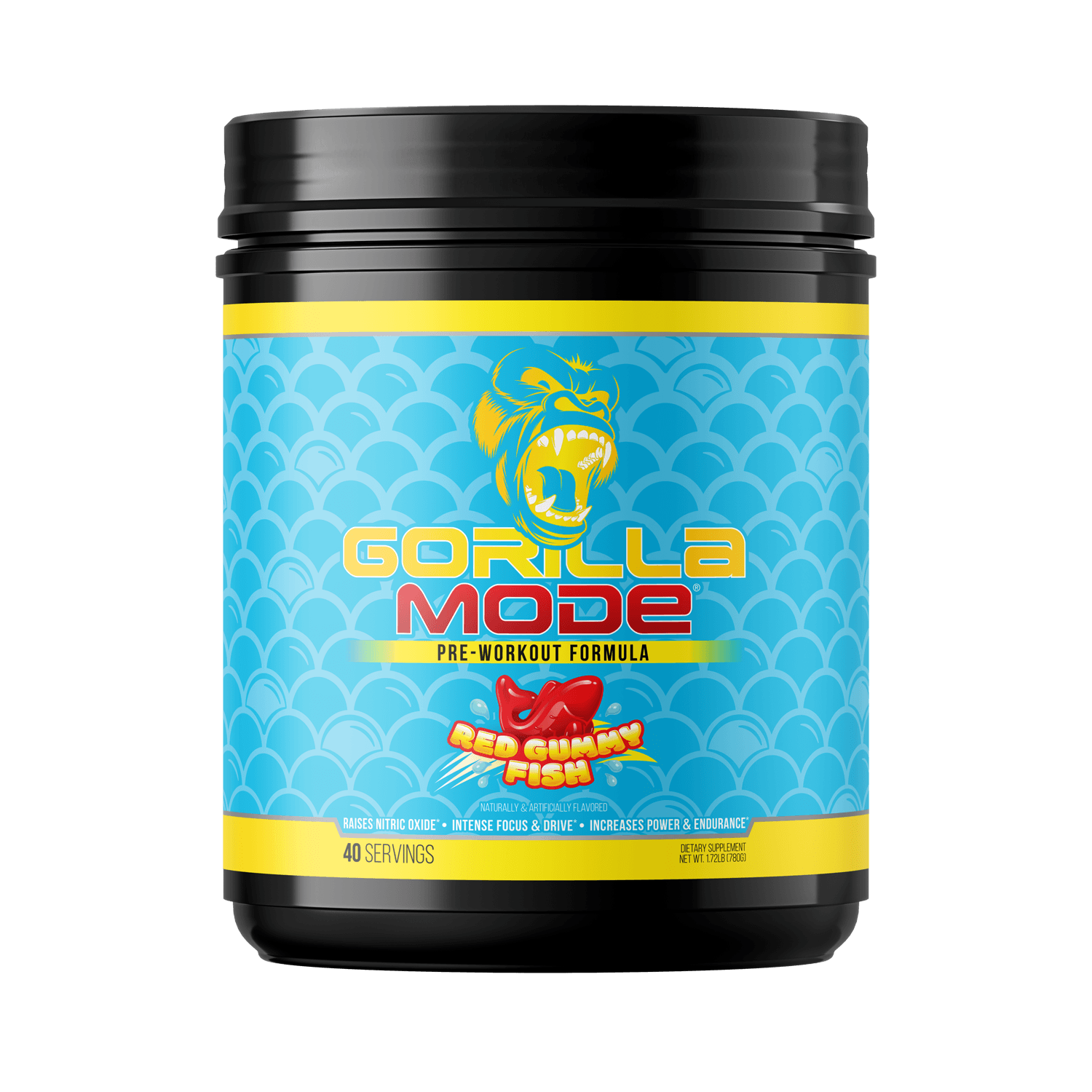
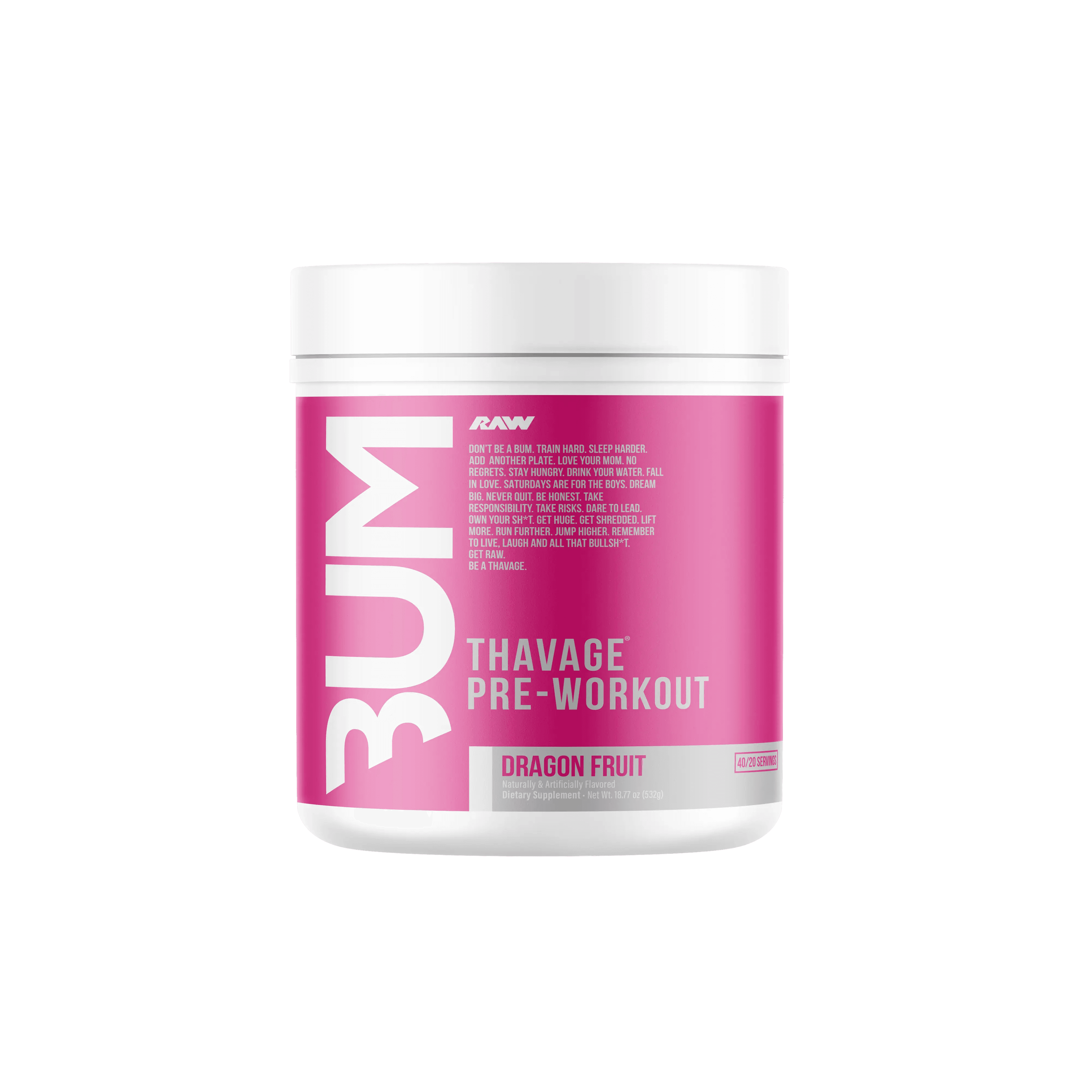
As an Amazon Associate we earn from qualifying purchases.
When Coffee Is the Better Choice
- You're on a tight budget and can't justify $30-50/month on supplements
- You're a casual gym-goer training 2-3 times per week at moderate intensity
- You prefer minimal supplementation and want to keep things natural
- You're just starting out and want to see how caffeine alone affects your training
- You're cutting costs during a period of financial constraint
When Pre-Workout Is Worth It
- You train seriously 4+ days per week and want to optimize every session
- You've plateaued and want a performance edge beyond caffeine
- Pumps matter to you — no amount of coffee will replicate citrulline's effect
- You train for endurance — beta-alanine's benefits are unique and well-documented
- You want convenience — one scoop covers caffeine, creatine, and performance ingredients
The Best of Both Worlds
Many serious lifters use a hybrid approach:
- Training days: Pre-workout supplement for comprehensive performance support
- Light/cardio days: Just coffee for basic energy
- Rest days: Coffee or nothing
- Deload weeks: Coffee only, to reset pre-workout tolerance
This approach keeps costs manageable while ensuring your hardest training sessions get the full performance support they deserve.
The Verdict
Coffee is a solid 7/10 pre-training choice. It provides effective energy cheaply and simply.
A quality pre-workout is a 9/10 choice for serious training, delivering benefits across multiple performance pathways that coffee simply can't match.
If you can afford it and you train with intensity, a well-formulated pre-workout is worth the upgrade from coffee. But if budget is a concern or you train casually, coffee is a perfectly respectable choice that gets the energy job done.
Check out our beginner-friendly pre-workouts if you're ready to make the switch, or compare all products to find the right fit.
Recommended Pre-Workouts
As an Amazon Associate we earn from qualifying purchases.
Related Articles
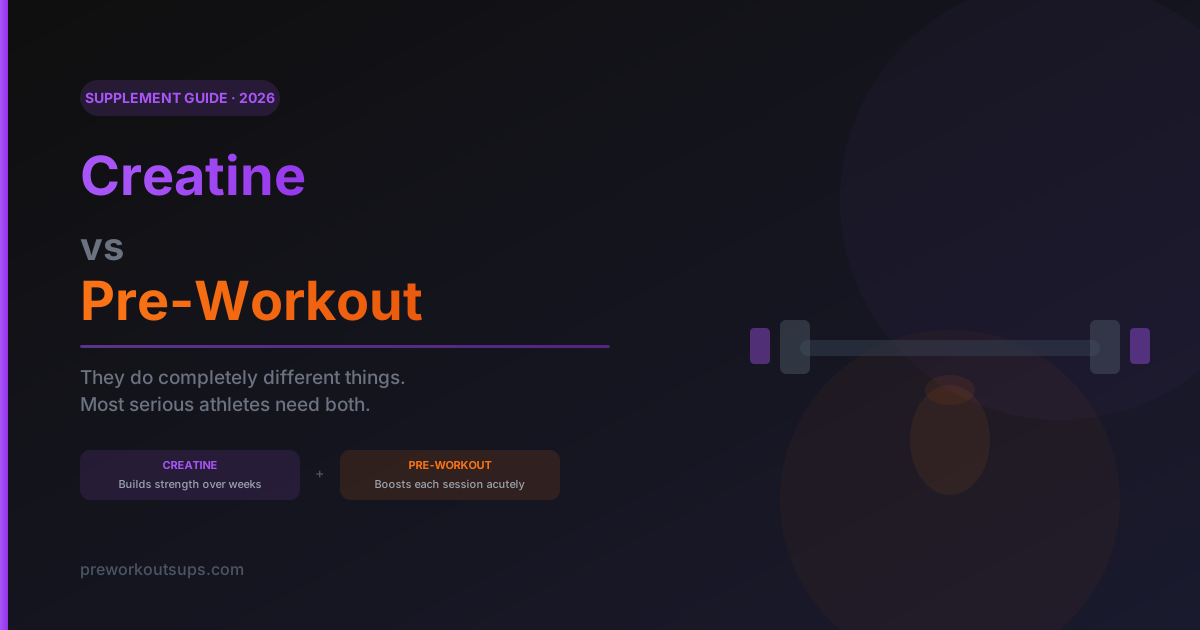
Creatine vs Pre-Workout: What's the Difference? (Which Do You Actually Need?)
Creatine and pre-workout do completely different things. One builds muscle over time, one boosts performance acutely. Here's how to decide which — or both — is right for you.
February 22, 2026
Read more →
Pre-Workout on an Empty Stomach: Should You? (The Real Answer)
Taking pre-workout on an empty stomach means faster absorption and stronger effects — but also higher risk of nausea and GI issues. Here's the full breakdown.
February 21, 2026
Read more →